
Breathing Techniques for Beginners: 5 Simple Ways to Calm Your Nervous System
2/3/20262 min read

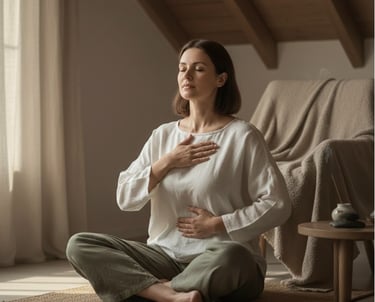
If you’ve ever been told to “just take a deep breath” and felt frustrated because it didn’t actually help, you’re not alone.
When your nervous system is overwhelmed, your body isn’t being difficult. It’s doing its job. The goal of breathing techniques isn’t to force calm, but to gently signal safety to your body so it can begin to settle on its own.
This guide is for beginners — no experience, no special tools, no pressure to do it perfectly. Just simple breathing techniques you can return to whenever stress, anxiety, or emotional overload starts to build.
Why Breathing Helps Calm the Nervous System
Your breath is one of the fastest ways to communicate with your nervous system.
When you’re stressed, anxious, or burned out, your body often shifts into fight-or-flight mode. Breathing slowly and intentionally helps activate the parasympathetic nervous system, which is responsible for rest, digestion, and recovery.
In other words:
you’re not breathing to “fix” yourself —
you’re breathing to remind your body that it’s safe.
5 Beginner Breathing Techniques to Try
Each of these breathing exercises is gentle, accessible, and designed for real life. Choose one that feels doable today.
1. Extended Exhale Breathing
Best for: anxiety, racing thoughts, nervous tension
Inhale through your nose for a count of 4
Exhale slowly through your mouth for a count of 6
Repeat for 1–3 minutes
Why it works: longer exhales naturally signal calm to the nervous system.
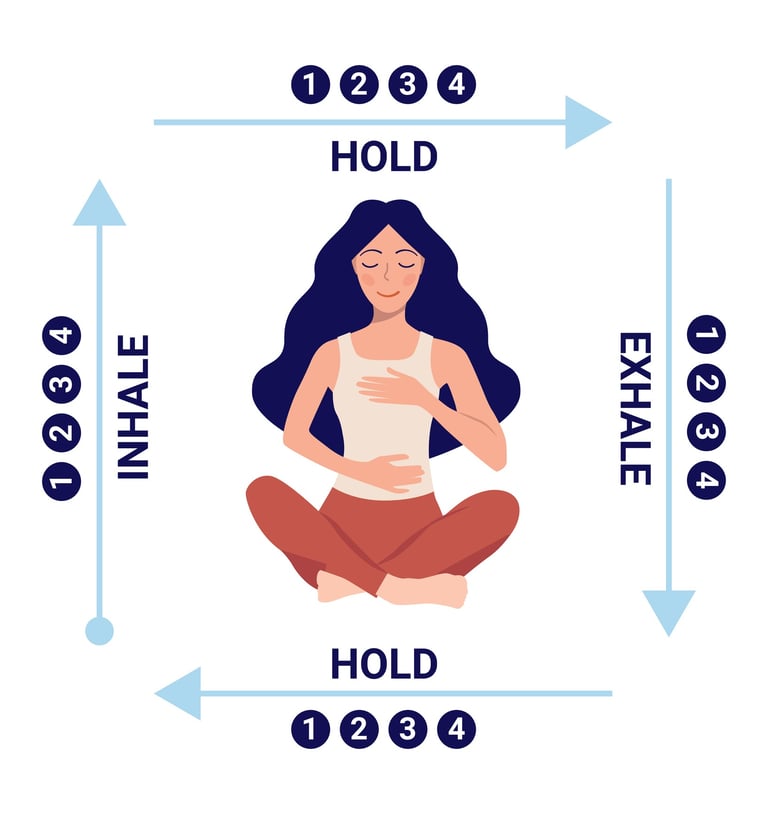
2. Box Breathing (Beginner Version)
Best for: overwhelm, mental overload, stress
Inhale for 4
Hold for 2
Exhale for 4
Hold for 2
Repeat gently
Tip: If holding feels uncomfortable, skip the holds — your body knows what it needs.
3. Hand-on-Heart Breathing
Best for: emotional burnout, self-soothing, grounding
Place one hand on your chest
Breathe slowly through your nose
Notice the rise and fall beneath your hand
This technique combines breath with touch, which can enhance feelings of safety and support.
4. 3–Breath Reset
Best for: busy moments, work stress, quick regulation
Take one slow inhale and long exhale
Repeat two more times
That’s it. Even three intentional breaths can interrupt stress patterns.
5. Gentle Belly Breathing
Best for: reconnecting with your body, slowing down
Place a hand on your belly
Inhale and allow your belly to soften and expand
Exhale slowly without forcing
This helps shift breathing out of the chest and into a more relaxed rhythm.
Tips for Beginners (This Matters More Than Technique)
Short is enough. One minute counts.
Don’t force calm. Let it arrive gradually.
Consistency matters more than variety.
Your body sets the pace.
Breathing isn’t about doing it “right.” It’s about meeting yourself where you are.
When Breathing Alone Isn’t Enough
Breathing techniques can offer immediate relief — but real nervous system regulation happens through gentle repetition over time.
If your body feels stuck in stress, anxiety, or emotional burnout, it’s not a personal failure. It’s a sign your nervous system may need ongoing support, not just momentary calm.
That’s where a structured, daily practice can make a difference.
A Gentle Next Step
If you’re looking for guidance you can return to — especially on days when everything feels like too much — our Nervous System Reset was created as a calm, supportive resource to help you build regulation gradually, at your own pace.
You don’t need to rush.
You don’t need to fix yourself.
You just need a place to begin.
Astral Minds Studio
Contact
Newsletter
© 2024. All rights reserved.